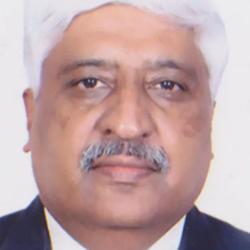
Lt Col Manoj K Channan (Retd.)

Lt Col Manoj K Channan (Retd.)

About Lt Col Manoj K Channan (Retd.)

More From Lt Col Manoj K Channan (Retd.)

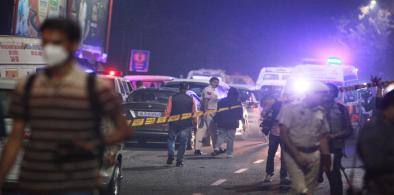
Delhi Terror Attack: India Needs To Foster Truly Inclusive National Identity To Bridge Security Gap

When minorities feel alienated or discriminated against, their distrust of state institutions grows, undermining the social fabric essential for national security. Strengthening this fabric involves upholding constitutional equality and ensuring no community feels marginalised. By fully integrating minorities as valued members of the national…

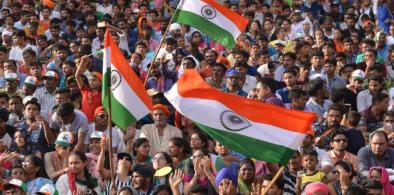
Demographic Changes And National Identity: Fragmented Identity Groups Risk Societal Divisions

India provides valuable lessons. Despite its complex religious, linguistic, and ethnic diversity, India has preserved unity through a robust constitutional framework, civic nationalism, and legal consistency. Even contentious debates from population balance to cultural identity are ultimately rooted in democratic institutions. Western…

Wrestling with Giants: India’s Strategic Manoeuvres In A Tri-Polar World

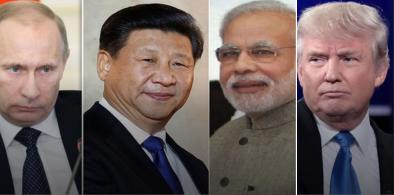
India’s position in the US-Russia-China tri-polar wrestling arena in 2025 is that of a clever, determined, and autonomous contender. It refuses to be pinned by Beijing’s might, Washington’s transactional approach, or Moscow’s nostalgia. Every move, whether economic, diplomatic, or military, is carefully calculated to preserve its space, grow…

US-Russia-China Dynamics And A Changing Global Order

Xi Jinping's focus remains on projecting steady-handed leadership, reinforcing that China does not seek to replace the US but demands recognition of its legitimate sphere of influence. The Chinese approach is less about the symbolism of meetings and more about playing a long game, similar to the ancient strategy of Go (Weiqi): patient, adaptive…

India-Pakistan: Breaking the Stalemate, Changing the Narrative

Changing this dynamic involves rebalancing domestic narratives. In India, presenting Pakistan less as an existential threat and more as a troubled neighbour could lessen the political costs of engagement. In Pakistan, reducing the military's dominance over India policy would open space for pragmatic dialogue.

The Asian Century by 2050: Three Possible Scenarios for Regional Power and Global Leadership

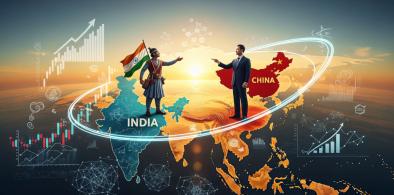
Whether dominated by China's singular might, led by India's democratic coalition, or governed through shared stewardship, the path Asia takes by 2050 will profoundly influence the global balance of power, ethical governance, and economic prosperity. India's role, whether as counterweight or partner to China, will be critical.

India's GDP Numbers: The Myth of Prosperity and the Reality of Inequality

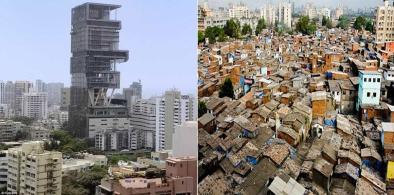
According to the World Inequality Lab, the top 1% own over 40% of India's total wealth. The starkness of this trend is apparent: a "rising India" for a few, but ongoing deprivation for the majority.

Establishing Narrative and Perception Dominance in Modern Conflict: A National Security Imperative for India

A nation's power today is judged not just by its military or economy but also by the credibility, speed, and resonance of its narrative. As adversaries evolve their hybrid warfare strategies to target public opinion, social trust, and international perception, India must develop a narrative response architecture that is anticipatory rather than…

Is India Chasing A Mirage? Theatrical Diplomacy No Substitute For Strategic Power

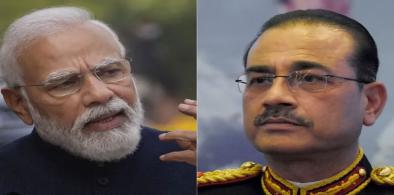
The warm reception given to Pakistan's Army Chief in Washington is more than symbolic. It indicates Washington's strategic calculation—that India, despite its rhetoric, is becoming a more problematic partner.  Washington, while not forsaking India, is hedging its bets. Its embrace of Pakistan is a backup plan.

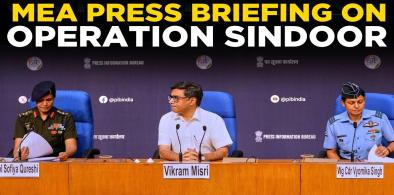
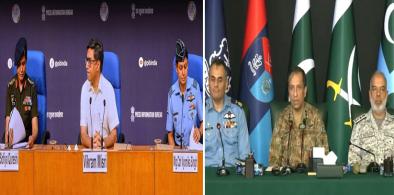
Op Sindoor: Did India Win Militarily But Lose The Narrative War?

The age of overt, high-visibility strikes is diminishing in returns. Covert operations, cyber infiltration, and disrupting terror logistics silently deliver greater impact at a lower political cost. India needs to establish a dedicated Psychological and Information Warfare Command, rather than relying solely on MEA press briefings or tweets…